
Laura Kane Counselling & Psychotherapy
CBT Counselling and Psychotherapy in Bridge of Weir, Renfrewshire and On-line.
'Nothing changes if nothing changes.'
‘The wisteria vine, with its elegant tendrils and lush cascades of white through blue and purple blooms, beautifully symbolises the transformative journey of therapy. Like wisteria, which spends months developing beneath the surface before erupting into a breathtaking flourish, the process of healing often unfolds quietly at first. There may be periods of stillness or challenge, much like winter’s dormancy, yet beneath it all change is taking root.’
‘When the time is right, growth bursts forth in fragrant waves—petals catching the light and swaying softly in the breeze. The cascading blossoms of wisteria evoke a sense of hope and possibility, reminding us that transformation is both beautiful and gradual in therapy. Each new bud reflects moments of insight, resilience, and renewal, offering reassurance that with patience and care, even the most tangled vines can blossom into something extraordinary.’
Fully qualified, accredited and experienced Cognitive Behavioural Therapist in Bridge of Weir, Renfrewshire and On-line.
Welcome, I'm Laura, a Cognitive Behavioural Therapist (CBT) dedicated to helping you navigate life's challenges using evidence-based techniques with a compassionate, personalised approach.
My practice is grounded in the belief that everyone deserves a safe, non-judgemental space to express themselves and work towards meaningful change.
I bring a wealth of experience supporting adults in a variety of environments, including NHS, council, and government contracts, with over a decade working with young people in secondary schools. I also bring specialised knowledge in neurodivergence.
My focus is on empowering clients to develop effective strategies for managing mental health challenges. I draw on proven methods tailored to your unique needs, ensuring that every session is focused on your goals and personal growth.
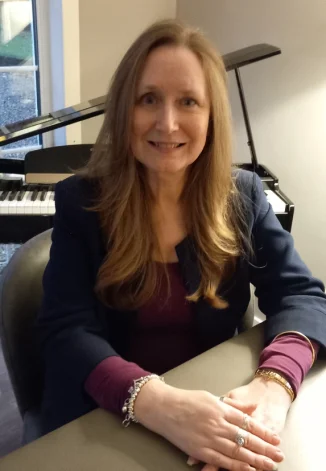
BSc (Hons) Psychology, PG Dip CBT, MBACP (Accred.)
My goal is to offer a safe and supportive environment where clients can fully express themselves, gain insight, taking steps towards empowerment, personal growth and acceptance.
I have a compassionate and empathic approach with a natural drive to understand others, make a positive difference in their lives, and support them in achieving their full potential.
I look forward to working with you.
Laura
The British Association for Counselling and Psychotherapy (BACP) oversees counsellor accreditation in the UK. As a BACP Accredited Counsellor, I meet their standards for qualification, experience, and ethical practice.
Cognitive Behavioural Therapy (CBT)
Aaron Beck, an influential American psychiatrist, and the founder of Cognitive Behavioural Therapy (CBT). Beck developed CBT in the 1960s after observing that his patients’ thoughts had a significant impact on their emotions and behaviours.
The main principles of CBT are rooted in the idea that psychological distress is often maintained by unhelpful or distorted thinking patterns. By helping individuals identify, challenge, and reframe these negative thoughts, CBT empowers people to adopt healthier perspectives and coping strategies.
Beck’s work has had a profound impact on modern psychology, establishing CBT as one of the most effective, evidence-based approaches for treating a range of mental health conditions, including anxiety and depression. Today, CBT’s structured, goal-oriented methods are widely used in clinical practice and have transformed the way therapists support clients in achieving lasting change.
“to be of greater use, the rules need to be remoulded so that they are more precise and accurate, less egocentric, and more elastic. When the rules are discovered to be false, self-defeating, or unworkable, they have to be dropped from the repertoire.”
Aaron T. Beck, Cognitive Therapy and the Emotional Disorders.
A CBT therapist commonly works with a range of mental health conditions, including depression, anxiety disorders, and post-traumatic stress disorder (PTSD). For Depression, CBT helps clients identify and challenge negative thought patterns which can contribute to low mood and loss of motivation. For example, a client experiencing persistent feelings of worthlessness might work with their therapist to reframe these beliefs and develop healthy coping strategies, gradually improving their outlook and motivation.
When working with anxiety disorders, such as Generalised Anxiety Disorder or Social Anxiety, CBT assists clients in recognising triggers, understanding anxious thoughts, and learning practical ways to manage their symptoms. For instance, a young person struggling with Social Anxiety may practise exposure exercises and learn techniques to reduce self-critical thoughts, enabling them to participate more confidently in social situations.
CBT is also effective in treating PTSD, where clients often face intrusive memories and hyperarousal. A therapist might help someone who has experienced trauma to safely confront distressing memories and develop tools to reduce avoidance behaviours using psychoeducation to activate the parasympathetic nervous system to transition from hypervigilance to relaxed vigilance. Through gradual exposure and cognitive restructuring, the client can regain a sense of control and begin to process their experiences in a healthier way.
Overall, CBT therapists support clients by tailoring evidence-based interventions to their individual needs, helping them build resilience and achieve meaningful progress towards their goals.
Areas of Expertise
Clients come to me for help with a wide range of issues, some of which are listed below. Please click into each condition to learn more. If you have a concern that is not listed, please get in touch and we can discuss working together.
Addiction
Feeling powerless to control harmful substance use or detrimental behaviour.
Anger Management
Learning to respond to frustration calmly and appropriately, rather than reacting with aggressive or harmful actions.
Anxiety Disorders
Characterised by excessive worry, fear, or nervousness that interferes with daily life.
Attention-Deficit/Hyperactivity Disorder
A neurodevelopmental disorder involving difficulty with attention, impulsivity, and hyperactivity.
Autism Spectrum Disorder (ASD)
A developmental condition affecting communication, behaviour, and social interaction.
Bereavement and Grief
The emotional response to loss, often following the death of a loved one, which can involve a range of feelings and adjustment challenges.
Bipolar Disorder
Marked by extreme mood swings between episodes of mania and depression.
Body Dysmorphic Disorder
Involves obsessive focus on perceived flaws in physical appearance.
Borderline Personality Disorder
A personality disorder featuring unstable moods, relationships, and self-image.
Boundary Setting
Struggling to establish and maintain healthy limits in relationships, which can impact emotional wellbeing.
Depression (Major Depressive Disorder)
Persistent feelings of sadness, hopelessness, and loss of interest or pleasure.
Dissociative Disorders
Involve disruptions in memory, identity, or consciousness, often linked to trauma.
Eating Disorders
Disorders such as anorexia, bulimia, and binge-eating that involve unhealthy concerns with food, weight, and body image.
Fear of Judgment
Worrying excessively about how others perceive or evaluate one’s actions, appearance, or choices.
Generalised Anxiety Disorder (GAD)
Chronic and excessive worry about various aspects of life.
Goal Setting
Challenges in identifying, planning, or achieving personal or professional objectives.
Life Transitions
Adjusting to major changes in circumstances, such as moving, career change, or retirement, which may cause stress or anxiety.
Obsessive-Compulsive Disorder (OCD)
Characterised by unwanted, recurrent thoughts and repetitive behaviours or rituals.
Panic Disorder
Involves sudden and repeated episodes of intense fear known as panic attacks.
People Pleasing
Prioritising others’ needs and approval over one’s own, often leading to difficulty asserting oneself.
Phobias
Intense and irrational fears of specific objects, situations, or activities.
Post-Traumatic Stress Disorder (PTSD)
Develops after experiencing or witnessing traumatic events, resulting in intrusive memories and heightened arousal.
Relationship Issues
Struggles within personal, romantic, family, or work relationships, including communication difficulties and conflict.
Seasonal Affective Disorder (SAD)
A type of depression that occurs at certain times of the year, typically in winter.
Low Self-Esteem and Low Confidence
Experiencing negative self-perceptions and a lack of belief in one’s abilities or worth.
Self-Harm
Engaging in behaviours that deliberately cause physical injury as a way of coping with emotional distress.
Sleep Problems
Difficulties with falling asleep, staying asleep, or experiencing restful sleep, which can affect daily functioning.
Social Anxiety Disorder
Marked by intense fear and avoidance of social situations.
Somatic Symptom Disorder
Presents with physical symptoms that are distressing and may not have a clear medical cause.
Substance Use Disorders
Involve problematic use of alcohol, drugs, or other substances that impact mental and physical health.
Suicidal Ideation
Having thoughts about ending one’s own life, which may vary in intensity and frequency.
Work-Related Stress
Experiencing pressure, overwhelm, or burnout in the workplace, affecting mental health and overall well-being.


Get in touch
I work with Young People aged 12-18, as well as adults.
If you have questions about counselling or would like to book an initial 20 minute free assessment, please contact me. This helps us discuss your reasons for seeking counselling and determine if I am the right therapist for you.
Client appointments are in person located just outside of Bridge Of Weir. Location details will be provided when sessions are scheduled.
I offer face-to-face, telephone, and online counselling (Teams) for clients in Scotland and throughout the U.K.
Fees
A 60 minute session costs £60. Preferably paid by bank transfer on, or before date of scheduled session.
Cancellation policy: 24 hours notice of cancellation, or full payment would be requested.